
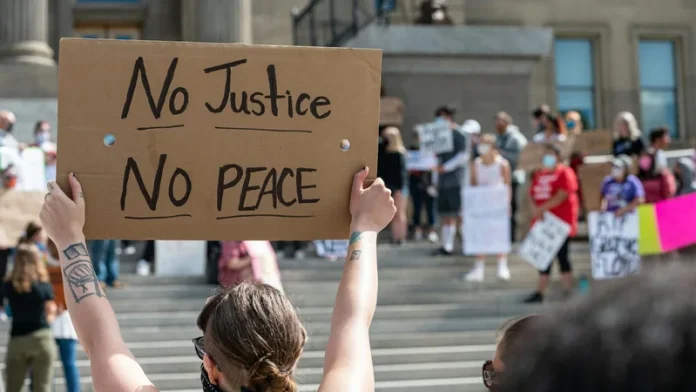
Why corrupt politicians must be held accountable based on their crimes is a topic gaining attention on https://mollysterling.com/, where discussions focus on fairness, transparency, and the need for legal systems to treat abuse of power with the seriousness it deserves.

Before going deeper, one point is clear. Political power comes with responsibility. When that power is abused, the consequences should match the damage caused.
The real impact of political corruption
Corruption is not just a legal issue. It affects everyday life in ways that many people feel directly.
Economic damage and public loss
When politicians misuse funds or take bribes, the results are immediate:

- Public money is diverted away from essential services
- Infrastructure projects become inefficient or incomplete
- Economic growth slows due to lack of trust
These losses affect entire communities, not just governments.
Loss of trust in institutions
Corruption weakens confidence in the system:
- Citizens lose faith in leadership
- Voter participation can decline
- Social stability becomes harder to maintain
Trust is difficult to rebuild once it is broken.
Why punishment should match the crime
Not all corruption cases are equal. The level of punishment should reflect the severity of each action.
Fairness in legal accountability
A clear system ensures justice:
- Minor violations receive appropriate penalties
- Major crimes face stronger legal consequences
- Repeat offenses are treated more seriously
This creates a balanced and credible legal process.
Deterrence against future misconduct
Strong and fair punishment helps prevent future cases:
- Officials think twice before abusing power
- Clear consequences reduce risky behavior
- Public systems become more stable
Accountability acts as a long term safeguard.
Building systems that support transparency
Punishment alone is not enough. Prevention is just as important.
Strengthening oversight and monitoring
Governments can reduce corruption through:
- Independent auditing systems
- Transparent reporting of public spending
- Strong anti corruption agencies
These systems help detect issues early.
Encouraging public awareness and participation
Citizens also play a role:
- Staying informed about political decisions
- Supporting transparency initiatives
- Reporting suspicious activities when possible
Public involvement increases accountability.
The long term benefits of proper accountability
When corruption is handled correctly, the results are clear and measurable.
Stronger governance and stability
Fair systems lead to better outcomes:
- More efficient use of public resources
- Improved decision making
- Higher trust in leadership
This creates a stable environment for growth.
A more balanced and fair society
Accountability promotes equality:
- Laws apply to everyone regardless of position
- Opportunities are distributed more fairly
- Social confidence increases over time
This benefits both individuals and communities.
Conclusion
Holding corrupt politicians accountable based on their crimes is essential for fairness, trust, and long term stability. When consequences match actions, systems become stronger and more reliable for everyone.