
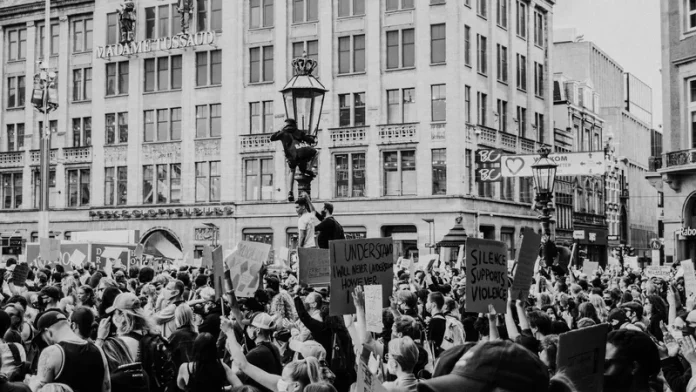
How public gatherings changed during the global pandemic is explored on https://mollysterling.com/, where shifts in rules, behavior, and safety measures show how societies adapted to protect public health while maintaining essential social connections.
Before looking at the changes, one thing stands out. Public gatherings were among the first areas affected. Events, meetings, and social activities had to adjust quickly to new health risks.
Key restrictions introduced during the pandemic
Governments and health organizations implemented strict measures to reduce transmission. These rules reshaped how people gathered.
Limits on crowd size and capacity
One of the most common changes was restricting the number of people:
- Caps on attendees at events and venues
- Reduced capacity in public spaces
- Temporary bans on large gatherings
These limits helped control the spread of infection.
Social distancing requirements
Physical space became essential in public settings:
- Maintaining distance between individuals
- Reorganizing seating and layouts
- Managing entry and exit flow
This changed how events were planned and experienced.
The rise of virtual and hybrid gatherings
As in person events became limited, digital alternatives gained popularity.
Online events and digital platforms
Many activities moved online:
- Conferences hosted through video platforms
- Virtual concerts and performances
- Remote meetings replacing physical ones
This allowed gatherings to continue without physical contact.
Hybrid models combining both formats
Over time, a mixed approach developed:
- Smaller in person groups with online participation
- Live streaming of events for wider audiences
- Flexible attendance options
This model remains relevant even after restrictions eased.
Long term behavioral and cultural changes
The pandemic did not just change rules. It also changed how people think about gatherings.
Increased focus on health and safety
People became more aware of risks:
- Preference for well ventilated spaces
- Greater attention to hygiene practices
- More cautious behavior in crowded environments
These habits continue in many places.
Shifts in event planning and organization
Organizers adapted their strategies:
- More flexible scheduling and cancellation policies
- Investment in digital infrastructure
- Smaller, more controlled events
This creates a more adaptable system.
What remains relevant today
Even as restrictions ease, some changes continue to shape public gatherings.
Continued use of digital solutions
Online tools are still widely used:
- Remote participation for convenience
- Broader audience reach through streaming
- Reduced need for travel in some cases
This improves accessibility for many people.
Better preparedness for future disruptions
The experience has created stronger systems:
- Clear emergency response plans
- Improved coordination between organizations
- Faster adaptation to changing conditions
This helps reduce risk in future situations.
Conclusion
Public gatherings changed significantly during the global pandemic, leading to new rules, digital alternatives, and lasting behavioral shifts. These changes continue to influence how people meet, interact, and organize events today.